What does it really take to break the cycle of period poverty?
Period justice means tackling the inequality and systems that stop women and girls managing their periods with dignity.
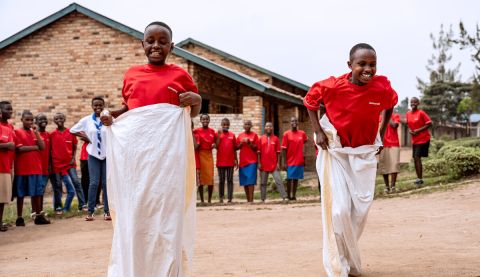
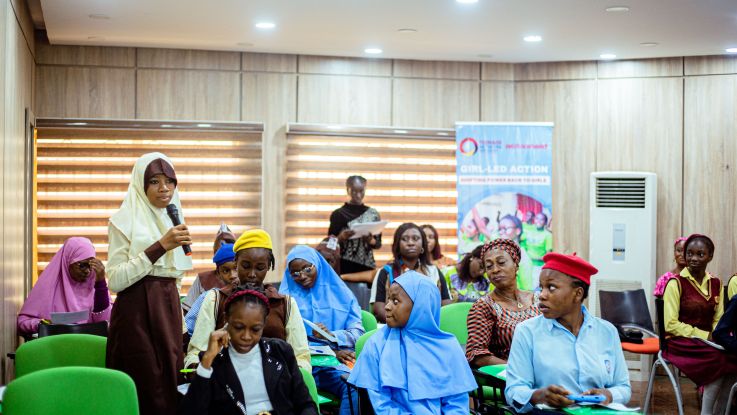
Girls participate in an interactive learning games, facilitated by local women role models, activists, and community leaders who guide sessions on skills, advocacy, and self-confidence. Photo: Christie Ntwari/ActionAid
For many years, the term ‘period poverty’ has helped bring much needed attention to the financial barriers that prevent people from accessing period products. This work remains vital.
But at ActionAid, we know that cost and product access are only part of a much wider issue. That is why we are calling for period justice: a world where everyone can manage their period safely, confidently, and with dignity, regardless of their income, identity, age or location.
What is period poverty and period justice?
When we think about period poverty, it's easy to focus on what's missing: period products, clean water or safe toilets. While these are all urgently needed for millions of girls, this makes the problem seem simpler than it really is. Period poverty can affect health, education, wellbeing and opportunities throughout life. But why are so many women and girls denied the resources and information they need to manage their periods? The issue isn’t just what girls are missing, it’s more why they’re being left without it.
At ActionAid we want to tackle the inequalities that cause period poverty.
That’s why we’re calling for period justice: a broader approach that recognises that menstruation itself is not the problem. Periods become a barrier when unequal systems prevent women, girls and people who menstruate from accessing the products, information, facilities, healthcare and support they need.
These inequalities include:
- Discrimination that causes women's and girls' needs to be overlooked.
- Harmful gender norms that make menstruation something to hide or be ashamed of.
- Underfunded public services that mean schools lack toilets, water or menstrual education.
- Unequal power that prevent women and girls from influencing decisions that affecr their bodies and their lives.
When these inequalities overlap, a period can mean:
- missing school
- dropping out of sports or activities
- risking health by using unsafe materials
- losing confidence
- facing harassment or exclusion
- missing work or opportunities
Over time, those days all add up. Lessons are missedm confidence is lost and opportunities disappear.
Period justice is about ensuring everyone who menstruates can manage their periods safely, with dignity and without discrimination.
It recognises that menstruation itself is not the barrier. The barriers are created by the social, economic and political inequalities that limit access to products, education, healthcare, safe water and sanitation.
It's about improving access to education and healthcare, ensuring safe water and sanitation, and changing the laws, policies and attitudes that hold women and girls back.
Alongside supporting practical solutions, we work with women and girls to challenge harmful norms, strengthen their rights and create lasting change that reaches far beyond access to products.
By addressing both immediate needs and the systems behind them, we're helping ensure that future generations face fewer barriers simply because they menstruate.
Ending period injustice takes more than distributing menstrual products, although those can be an essential part of the solution.
When we tackle the root causes of period injustice, the impact goes far beyond one menstrual cycle, the results can be life-changing.
Safe spaces for girls
ActionAid has created safe spaces for girls in nine schools across Rwanda. These dedicated rooms provide toilets, showers, menstrual products, spare clothes and a private place to change and rest, helping girls manage their periods with dignity and stay in school.
Learning about sexual and reproductive health
Working with local partners, ActionAid also runs girls' clubs where participants learn about where to access support or how to make reusable sanitary pads.
Christine is a volunteer leader with the Girl Guides, a partner of ActionAid Rwanda who help organise a camp around girls’ rights for schoolgirls from across the district:
ActionAid has done a lot to ensure that no child faces problems with menstruation while at school, because they built girls' rooms equipped with working facilities."
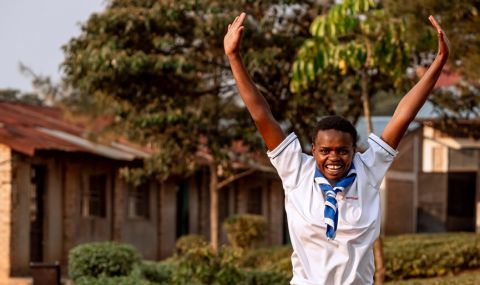
In Nyanza, Girl Guide leader Christine is helping girls protect their health, dignity and education by teaching them to make reusable pads and navigate period poverty safely.
Making re-usable period pads
In Uganda's Kiryandongo refugee settlement, 15-year-old Nyakang learned to make reusable pads through an ActionAid workshop.
While she still faces financial challenges that sometimes limit her access to pads, she knows how much difference they make to her confidence. Nyakang now encourages other girls to attend, helping them manage their periods safely and stay in education.
Building safe toilets
In Ethiopia, ActionAid worked with local partners to build a new school with separate toilets and running water, replacing inadequate pit latrines. Improved facilities help girls attend school during menstruation with dignity, while also supporting their education and helping challenge harmful gender inequality.
This is what period justice looks like
Girls who once missed school because of their periods are able to attend classes more consistently and participate with confidence. Schools become safer and more inclusive when they have clean toilets, running water and menstrual health education. Communities begin to challenge long-held myths around menstruation, making it easier for women and girls to speak openly and seek support.
The lasting change your support helps make possible not just meeting an immediate need today, but helping build a future where periods are never a barrier to education, opportunity or dignity.
It's more than just about making sure someone has a pad today, it's about helping ensure they won't face the same barriers tomorrow.
By investing in women-and girl-led solutions and challenging the systems that create inequality, we're helping build a future where no one is held back because they menstruate.