Women By Women
Women By Women offers a different perspective on how women and girls around the world are seen, heard and represented.
By centring stories created by women and people with lived experience, it challenges the stereotypes and unequal power dynamics that have long shaped humanitarian and development storytelling.
The initiative is part of ActionAid UK's commitment to anti-racist and decolonial storytelling. Through photography, film, illustration, writing and other forms of communicatiuon, we amplify authentic voices and support work that reflects people's realities with dignity, agency and respect.
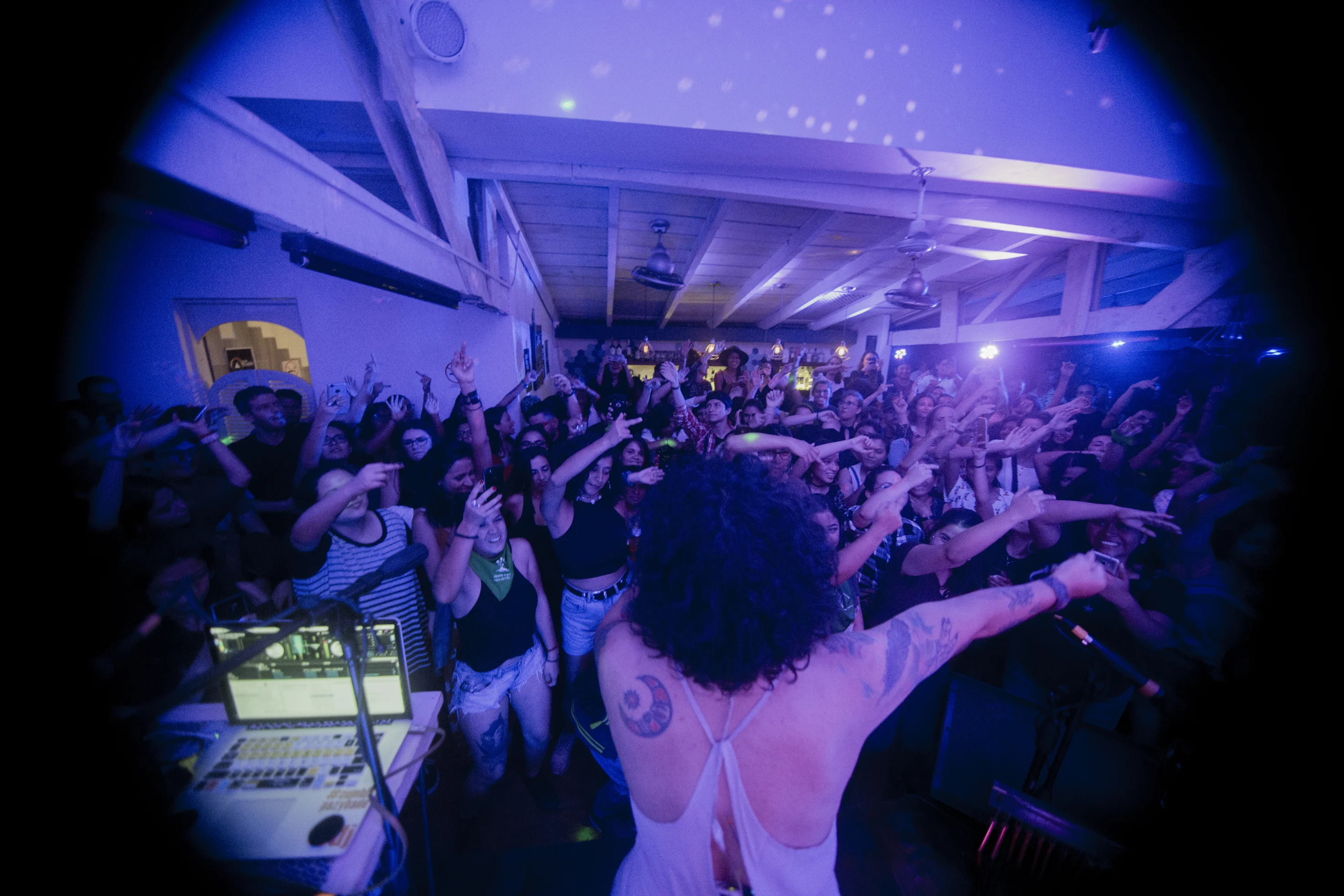
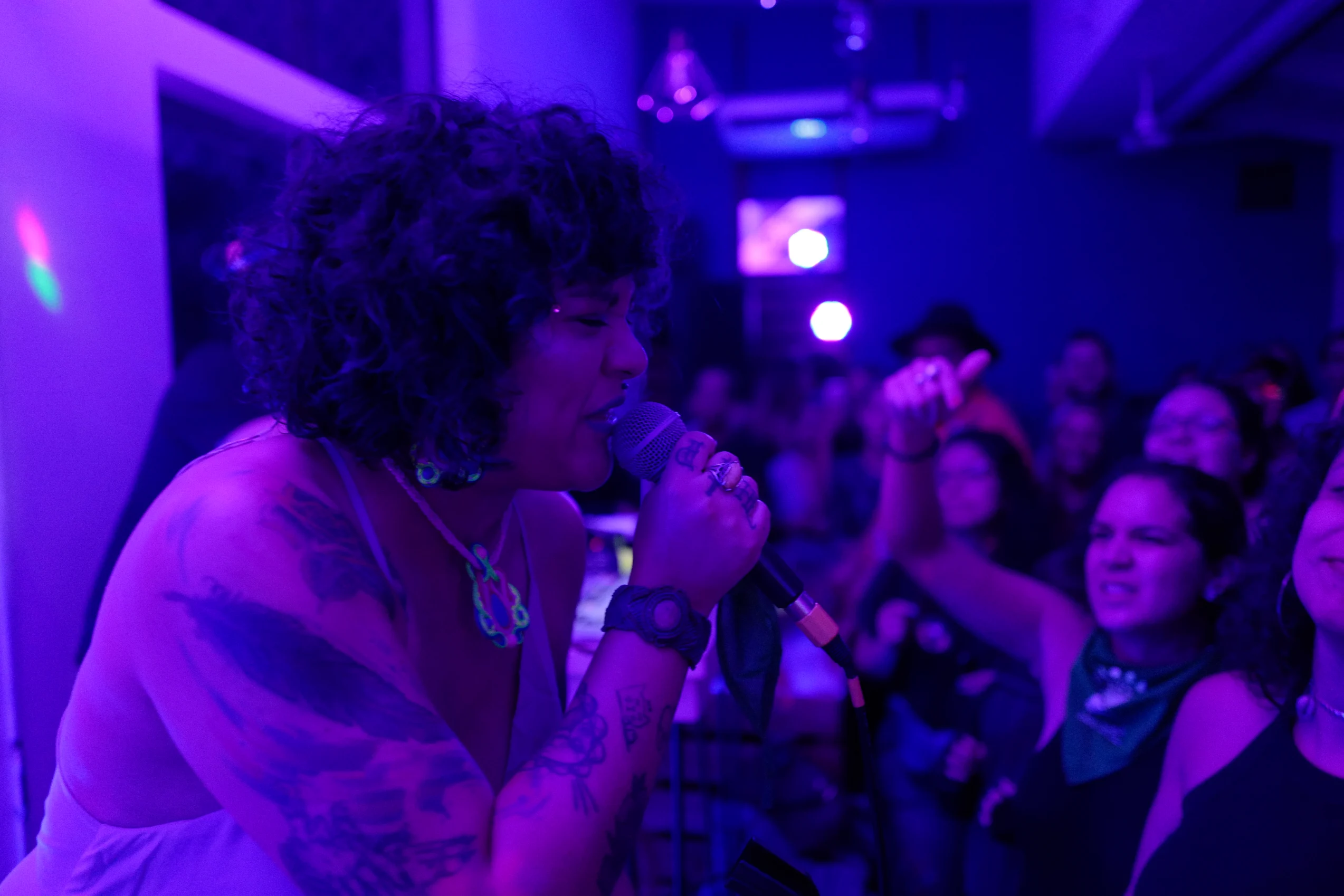
Rebeca Lane is a trailblazing Guatemalan hip-hop artist who has used her music to advance the social, economic, cultural and political achievement of women.
Photo: Morena Perez Joachin /ActionAid
2025: Rooted in Resistance
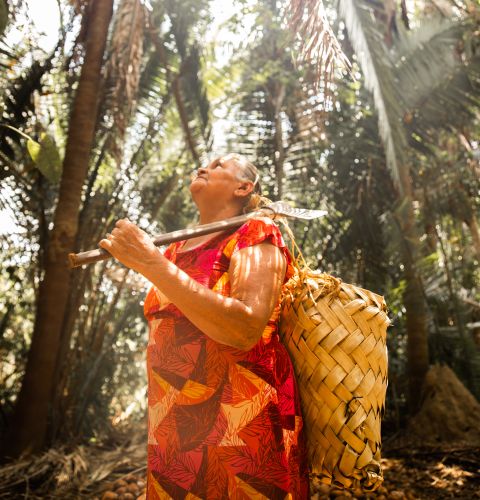
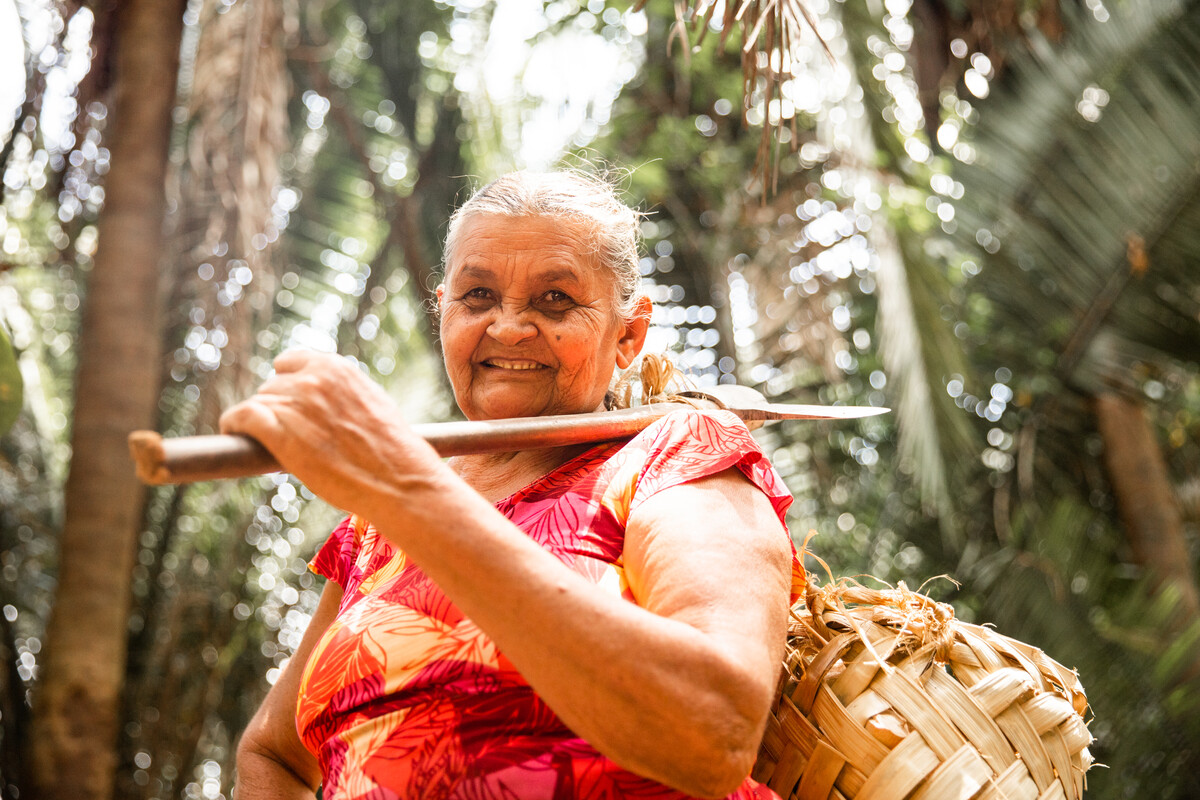
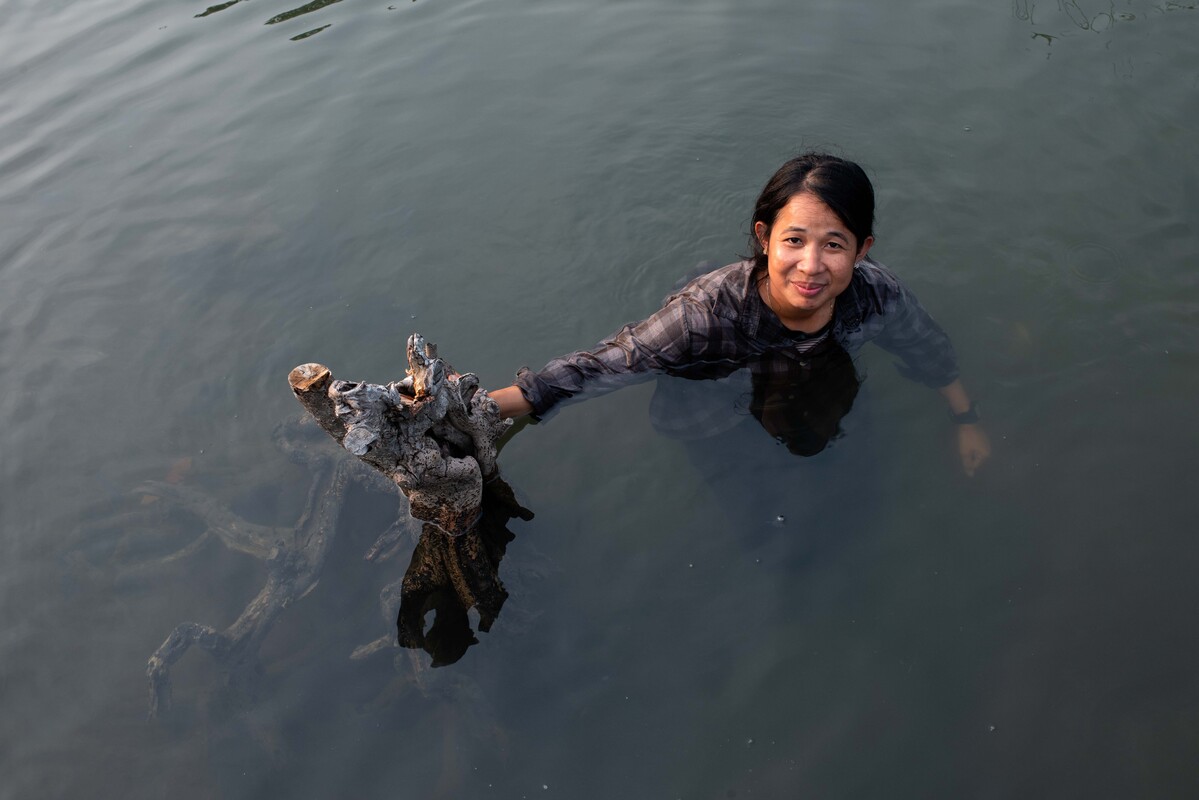
In 2025, Women By Women explored the collective work of women fighting to protect their land, livelihoods and futures. Through powerful photography and personal storytelling, women creators from Brazil, Cambodia, Nepal and Nigeria documented collective action, resilience and resistance, revealing the systemic inequalities that leave women and girls at greater risk of losing their land rights.
Etinosa Yvonne (Nigeria) and Nay Jinknss (Brazil) documented environmental injustice, focusing on oil pollution in the Niger Delta and deforestation threats to babassu breakers, respectively. Similarly, Sophal Neak (Cambodia) and Uma Bista (Nepal) spotlighted social issues by documenting female activists defending local resources and former bonded labourers fighting for land rights.
2024: Reclaiming the narrative
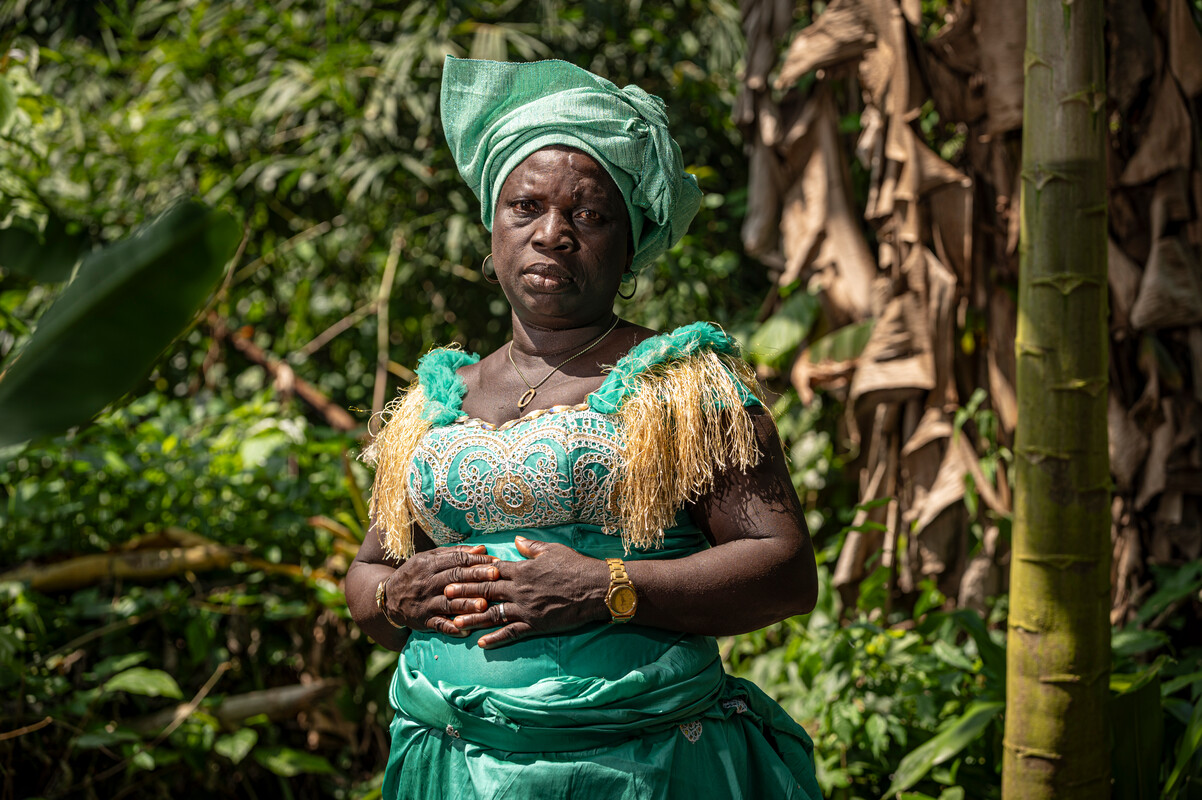
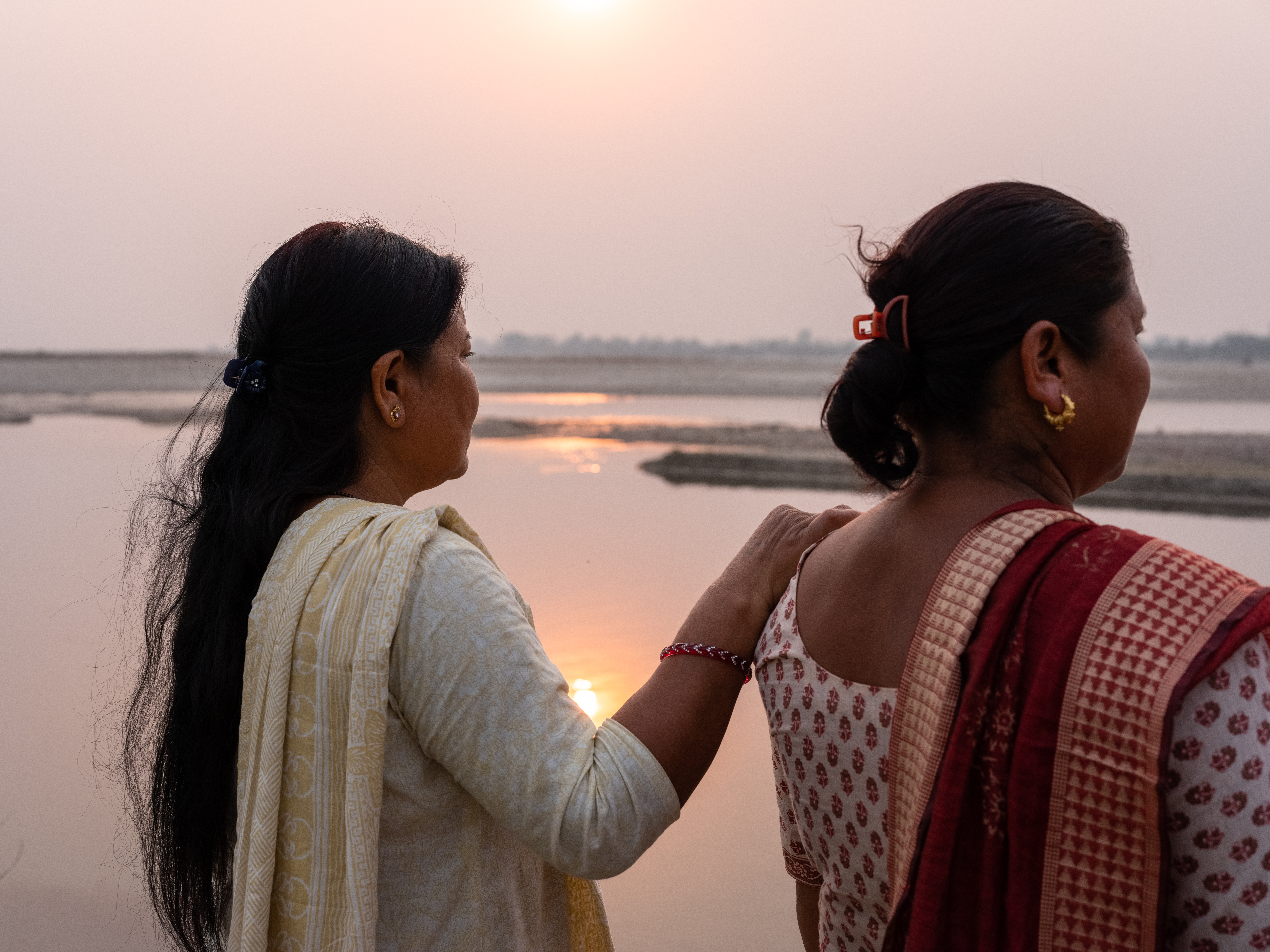
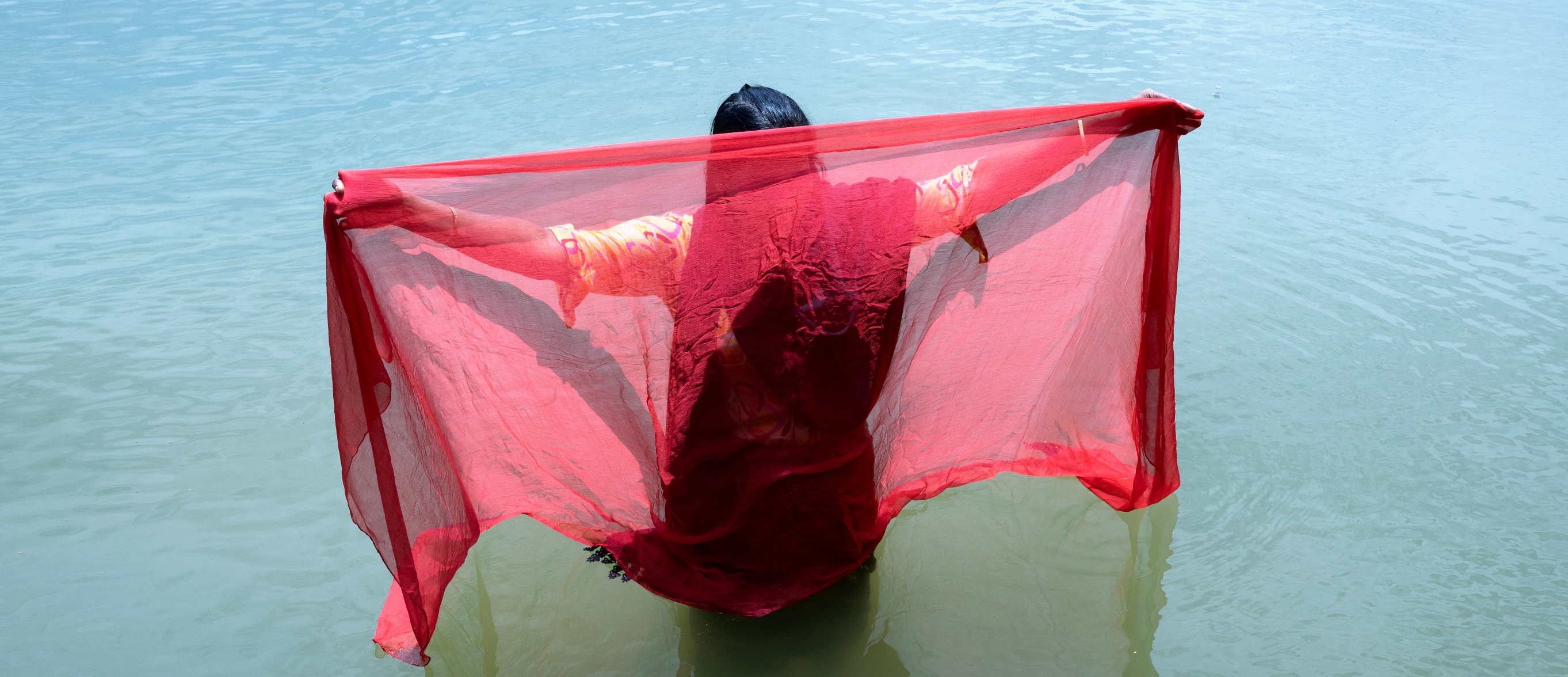
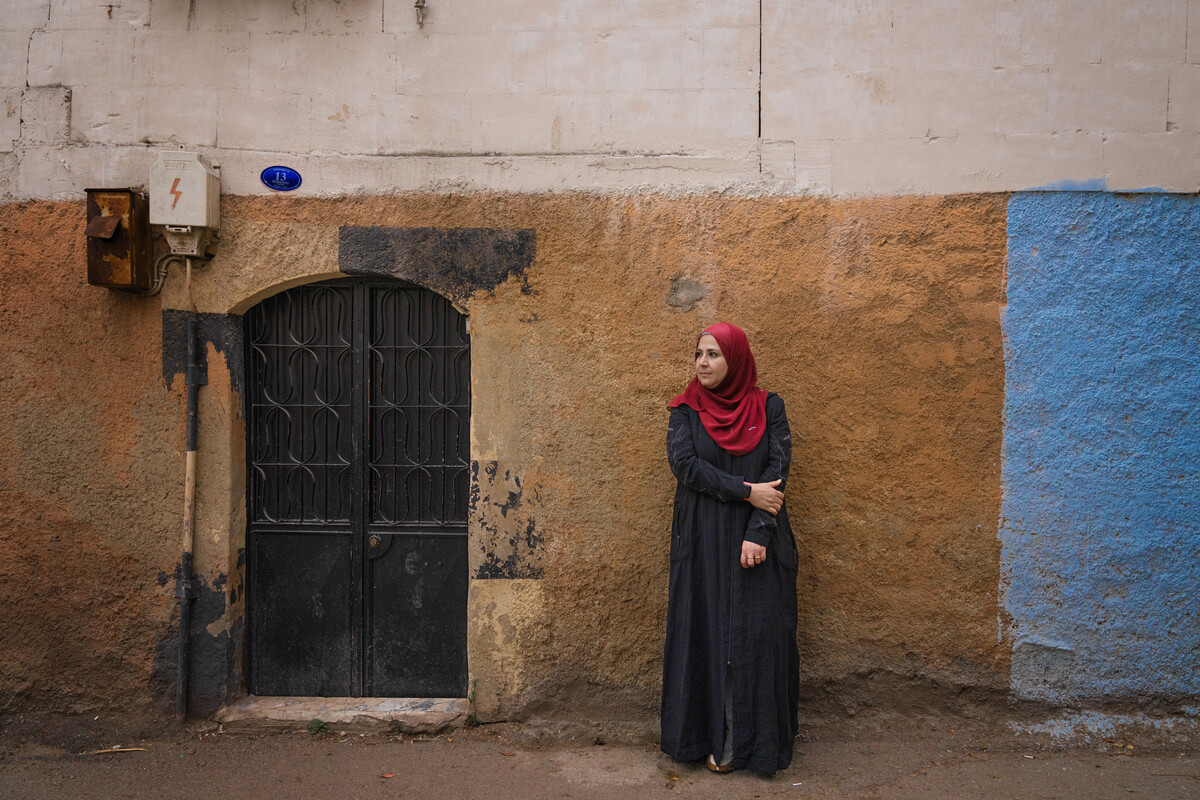
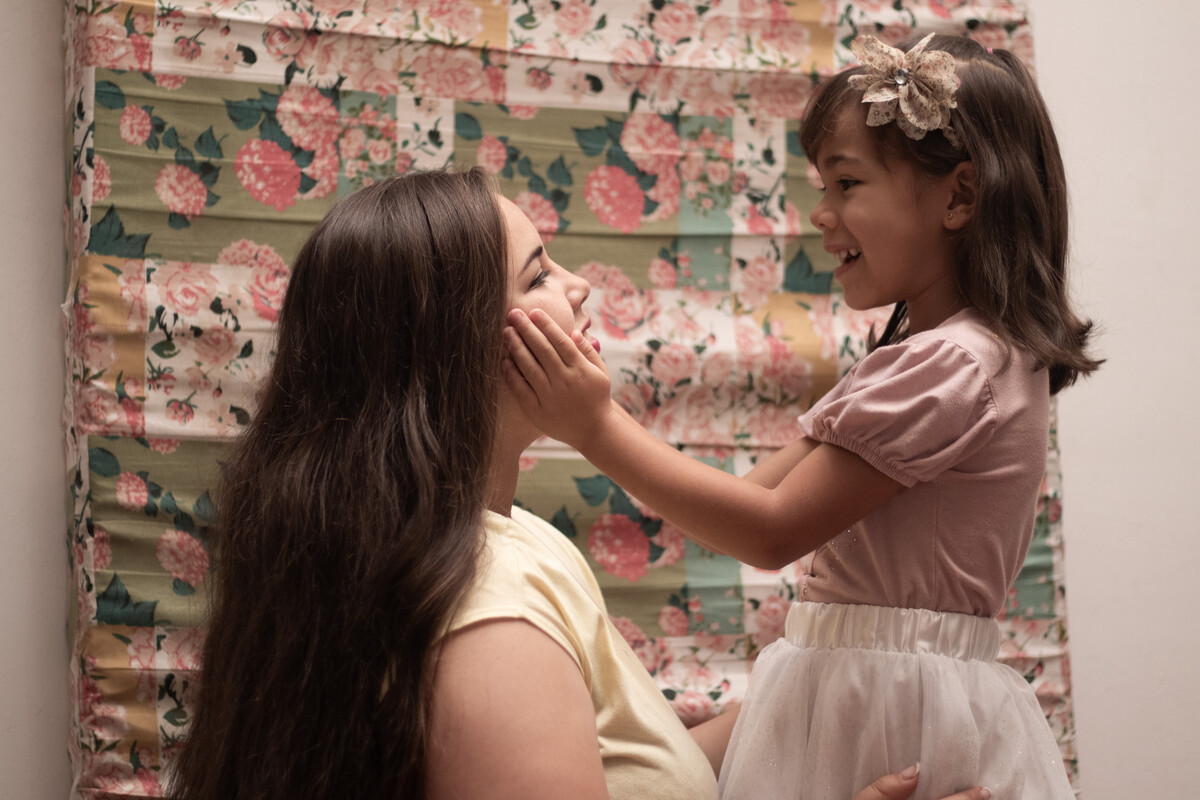
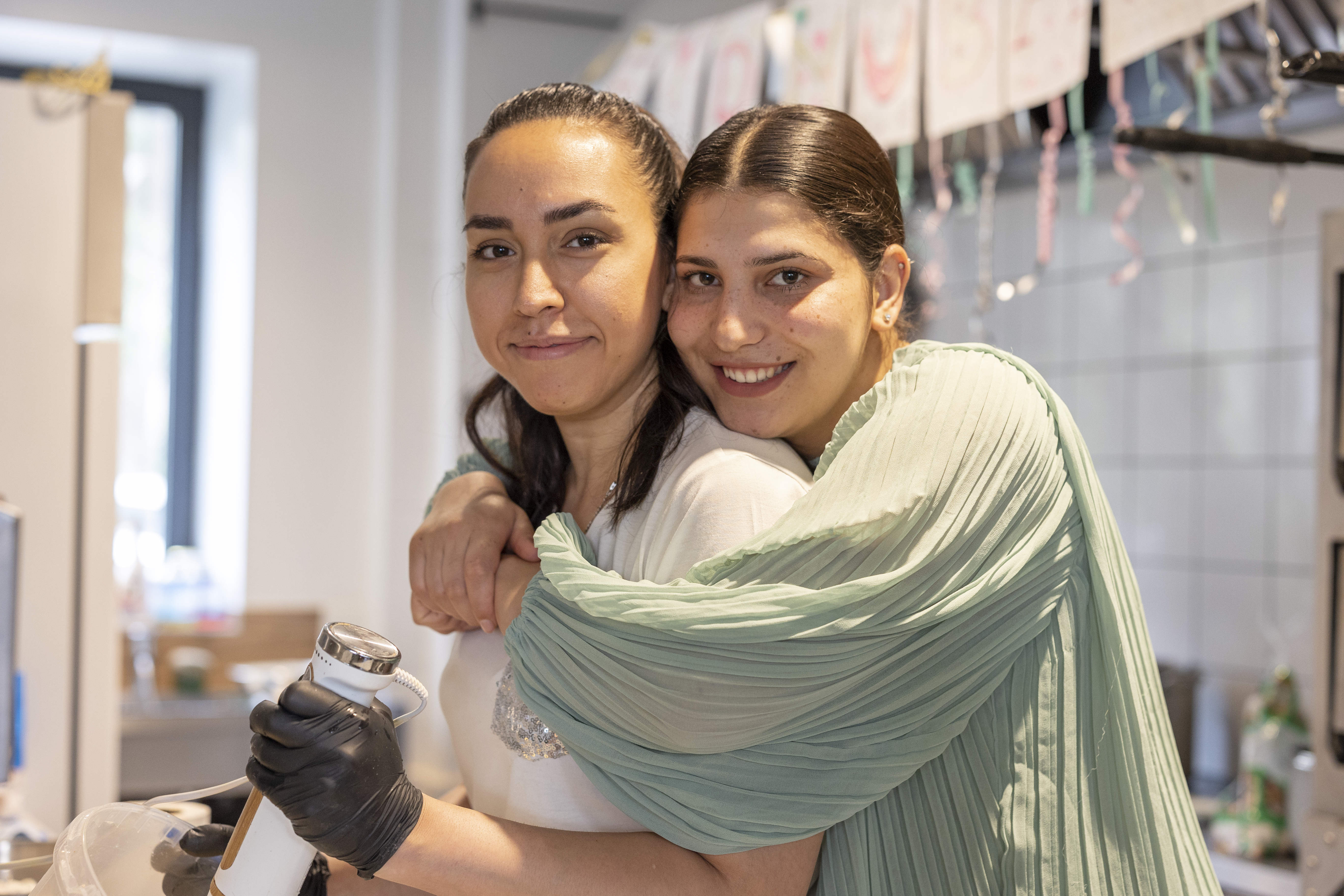
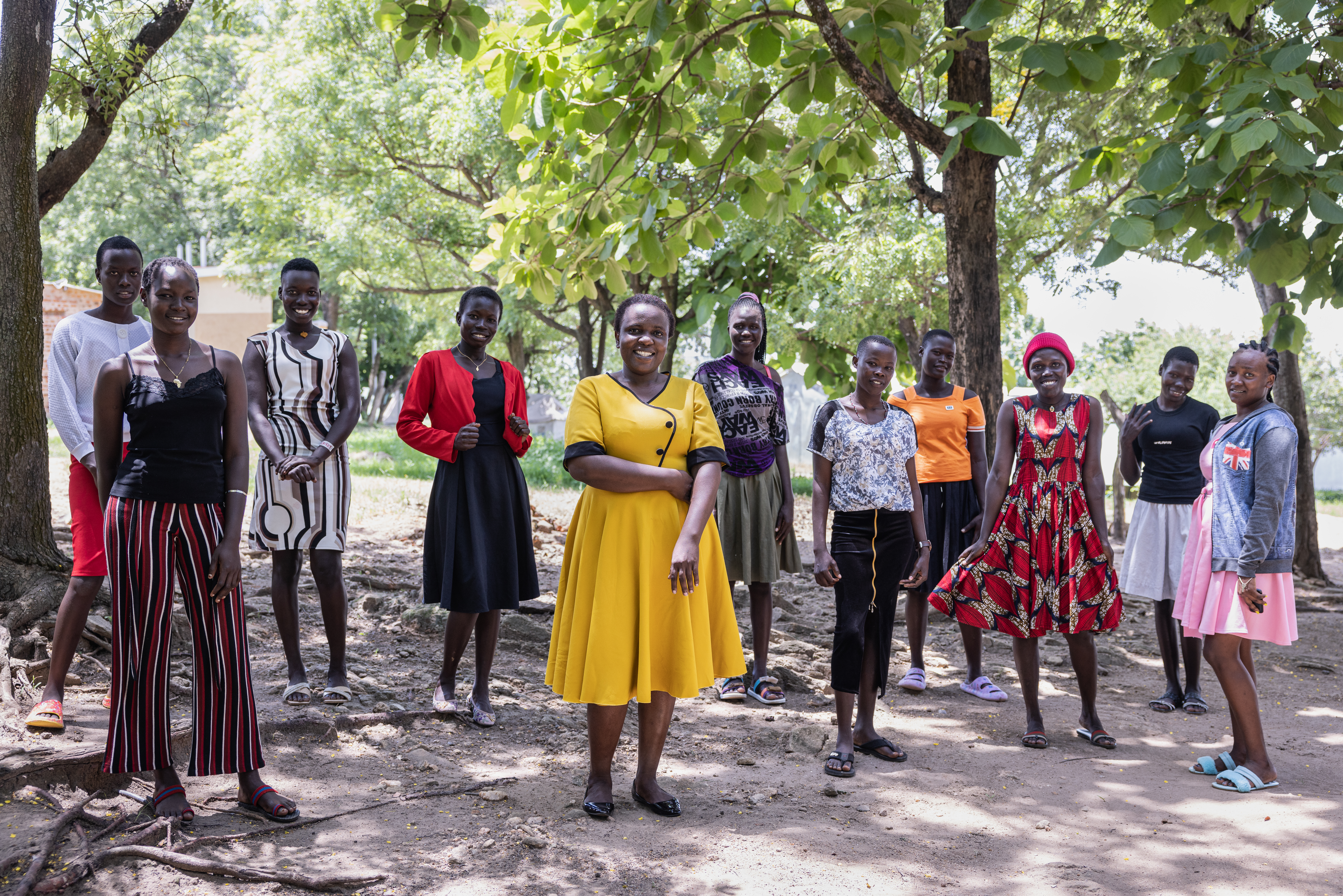
In 2024, Women By Women celebrated the leadership and resilience of women and girls reclaiming the narrative around displacement and migration. Through powerful storytelling, we highlighted the women’s rights organisations and ActionAid partners providing vital support to refugees and people seeking asylum, while challenging the discrimination and inequalities they face.
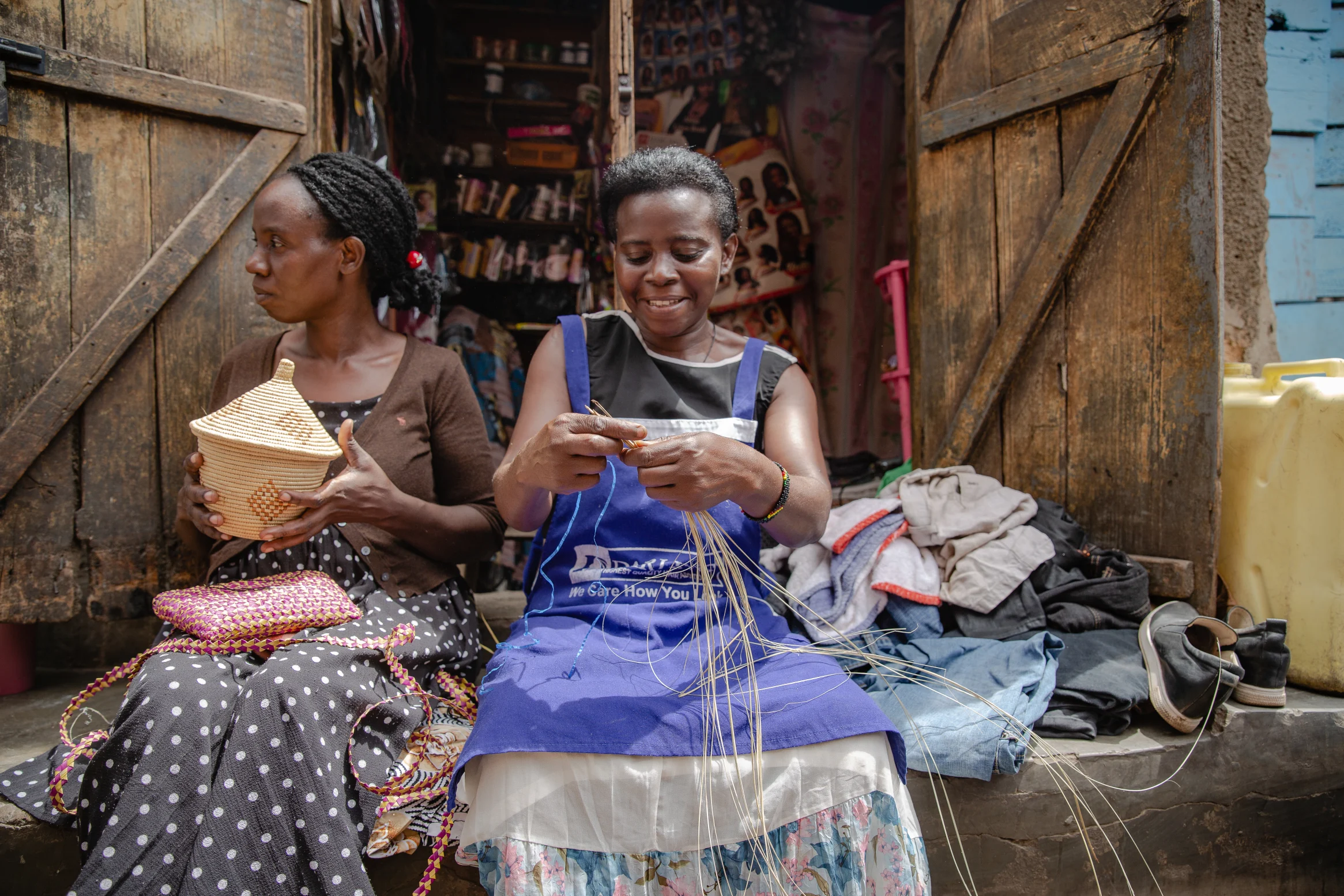
Women By Women 2024 featured the work of five women photographers: Laura Rios Diaz (Colombia), Magda Klimczak (Poland), Esther Mbabazi (Uganda), Fabeha Monir (Bangladesh) and F Dilek Yurdakul (Türkiye). Through their distinct perspectives and powerful storytelling, they centred the experiences of refugee women and girls, highlighting their leadership, resilience and the women-led organisations supporting communities affected by displacement.
2021: Women at the forefront of change
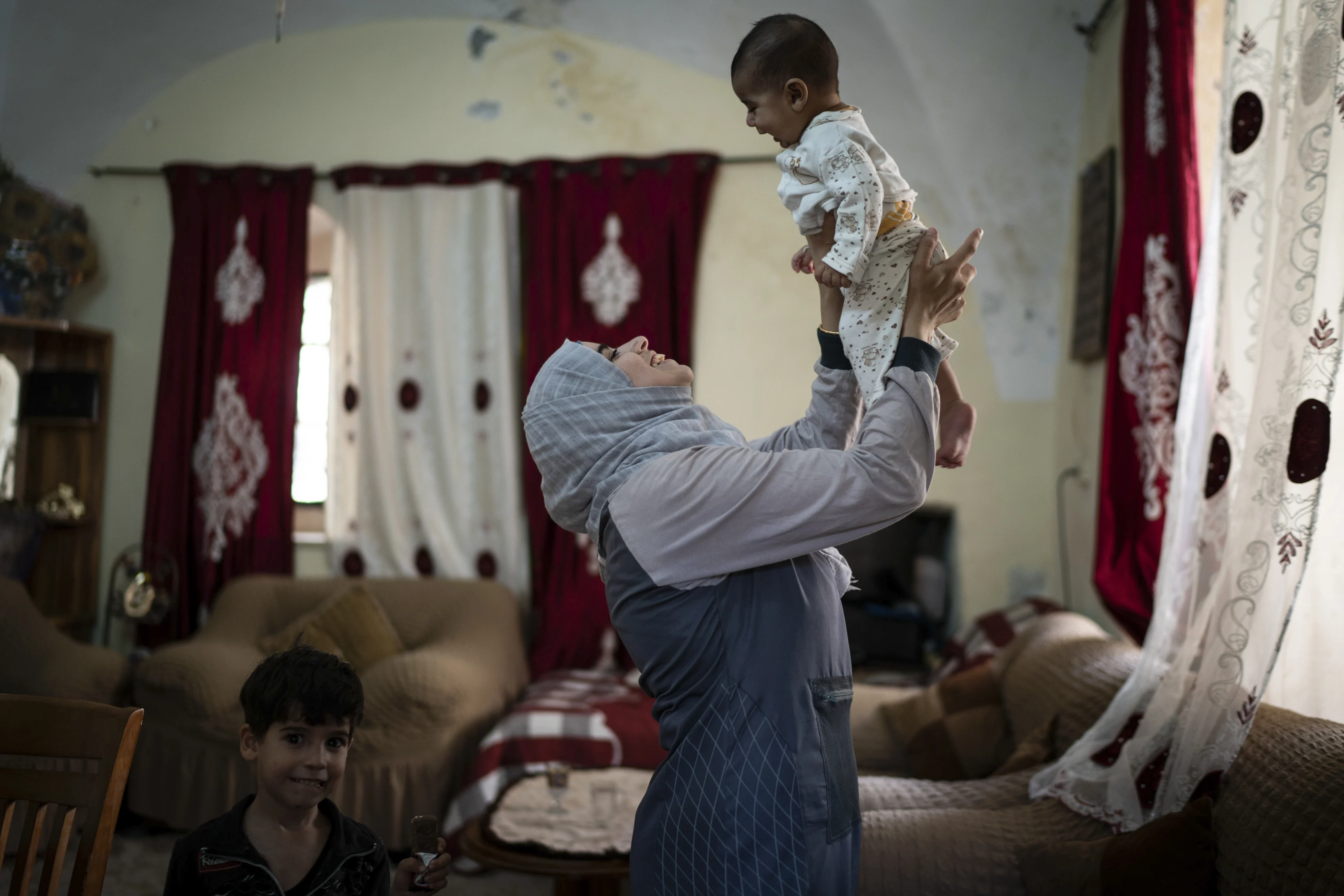
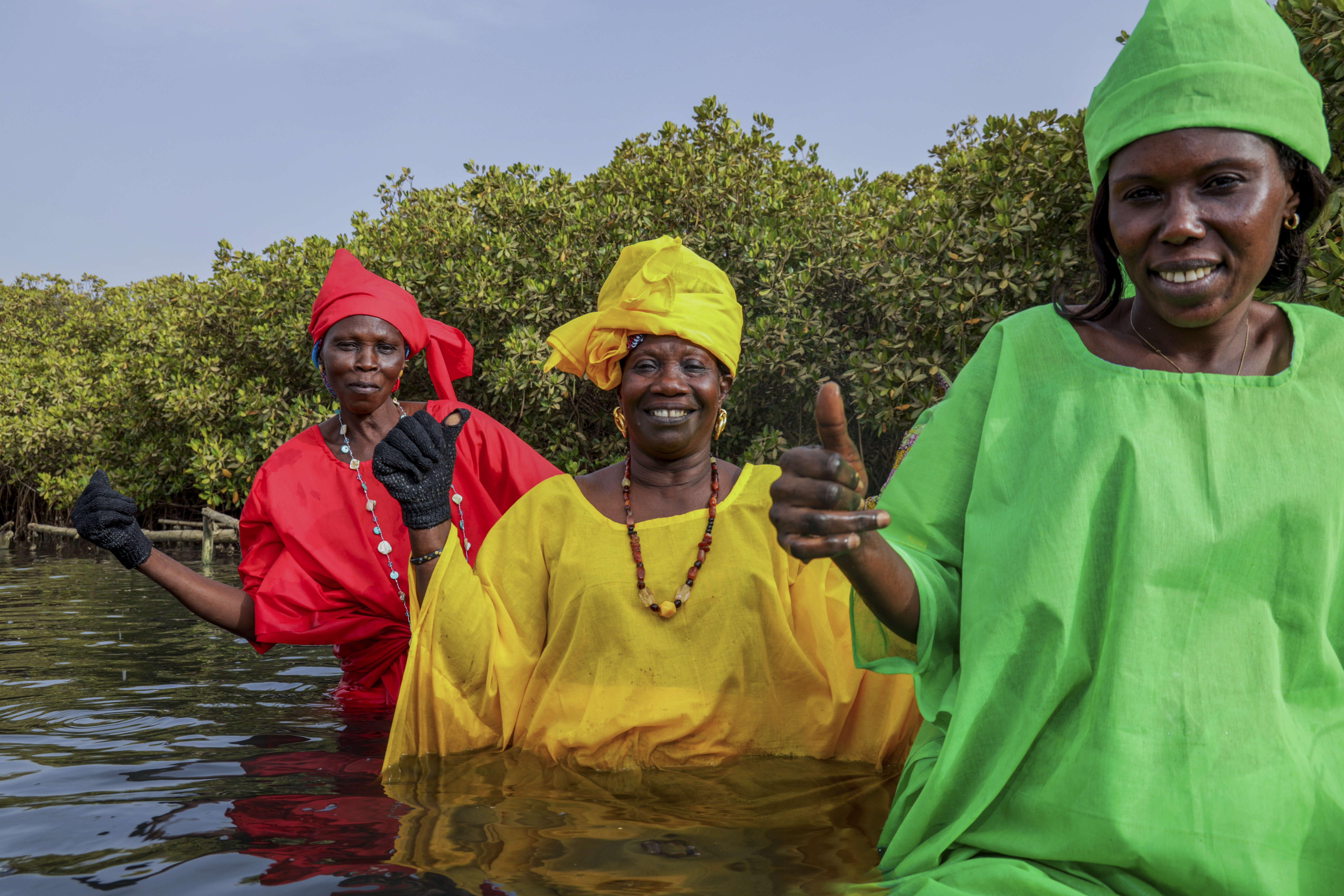
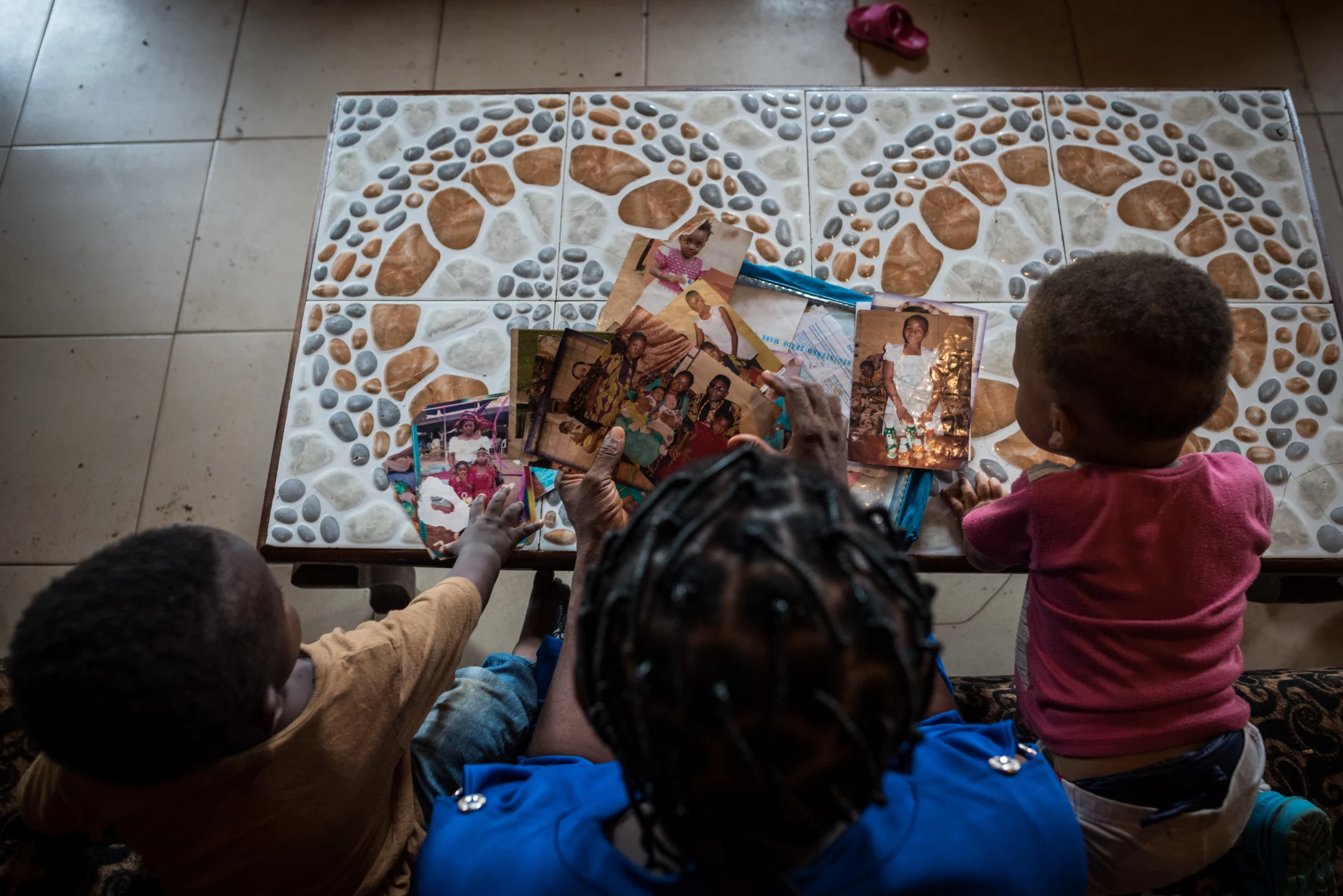
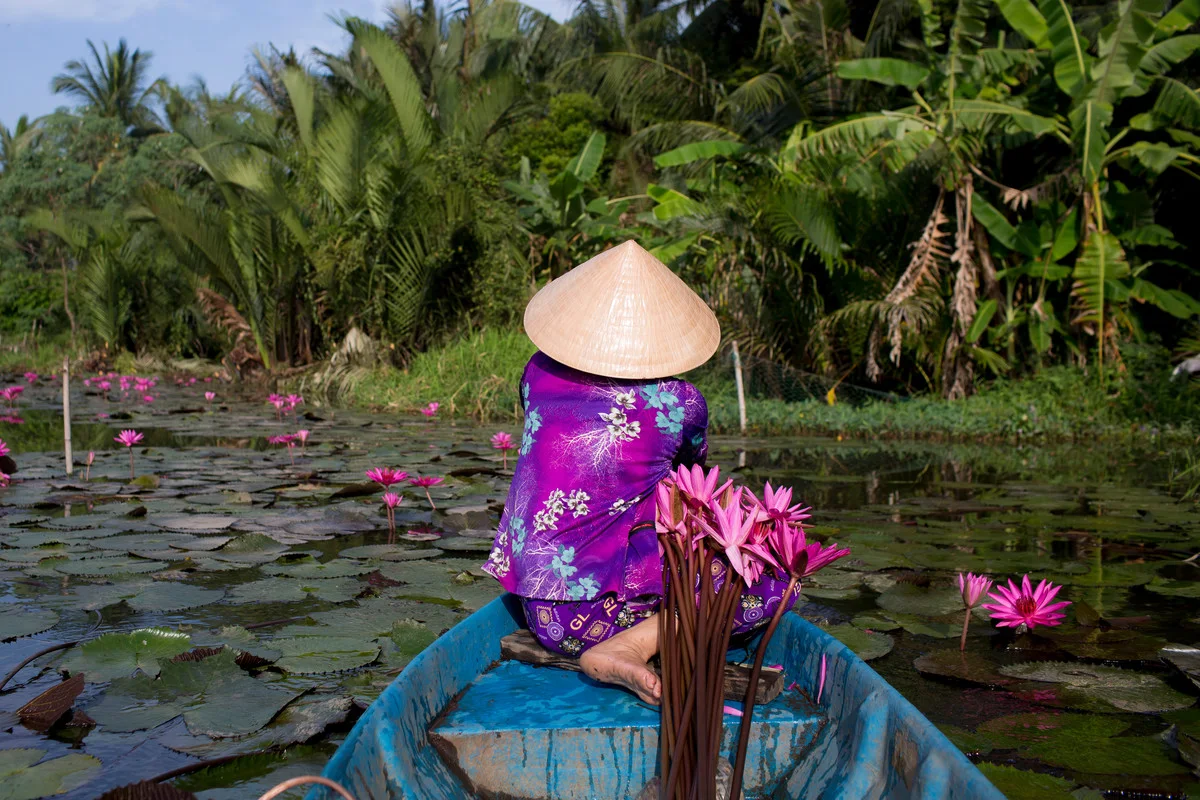
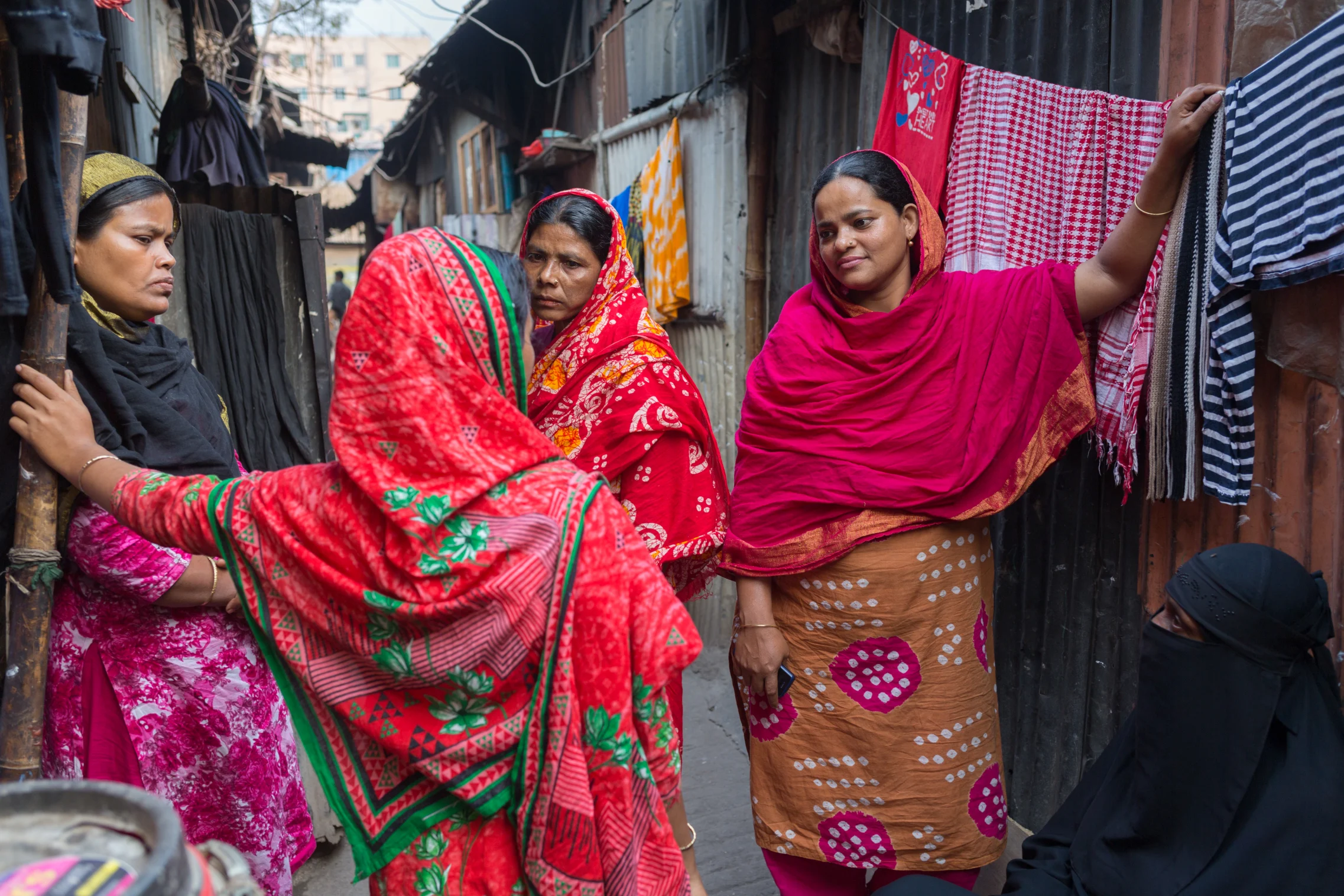
In 2021, Women By Women partnered with women photographers from Bangladesh, Palestine, Nigeria, Senegal and Vietnam to capture the stories of women and girls leading change in their communities. Through powerful imagery, the exhibition celebrated their courage, resilience and collective action as they challenged gender-based violence, responded to climate change and broke down barriers to equality.
Women By Women 2021 featured the work of five women photographers: Yen Duong (Vietnam), Samar Hazboun (Palestine), Ina Makosi (Senegal), Habiba Nowrose (Bangladesh) and Etinosa Yvonne (Nigeria). Through their distinct perspectives and powerful visual storytelling, they captured the lives of women leading change in their communities and challenged the stereotypes that too often shape how women’s stories are told.
2020: The first Women By Women exhibition
Women By Women launched in 2020 with a collection of stories from women photographers in Uganda, the Democratic Republic of Congo, Guatemala and South Africa. Through intimate and powerful images, the exhibition celebrated the everyday lives of women and girls, many of whom were trailblazers, creating change and leading their communities.
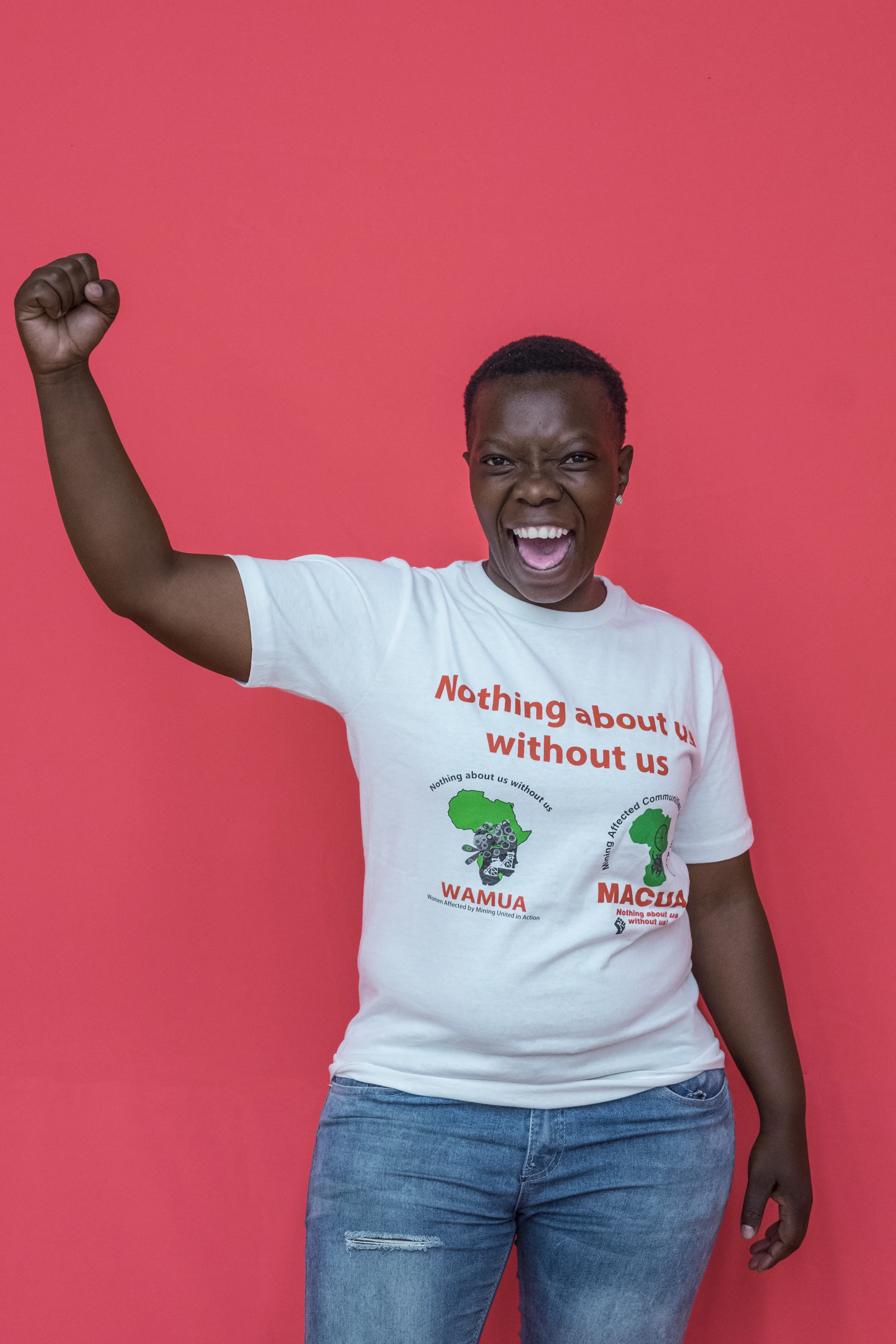
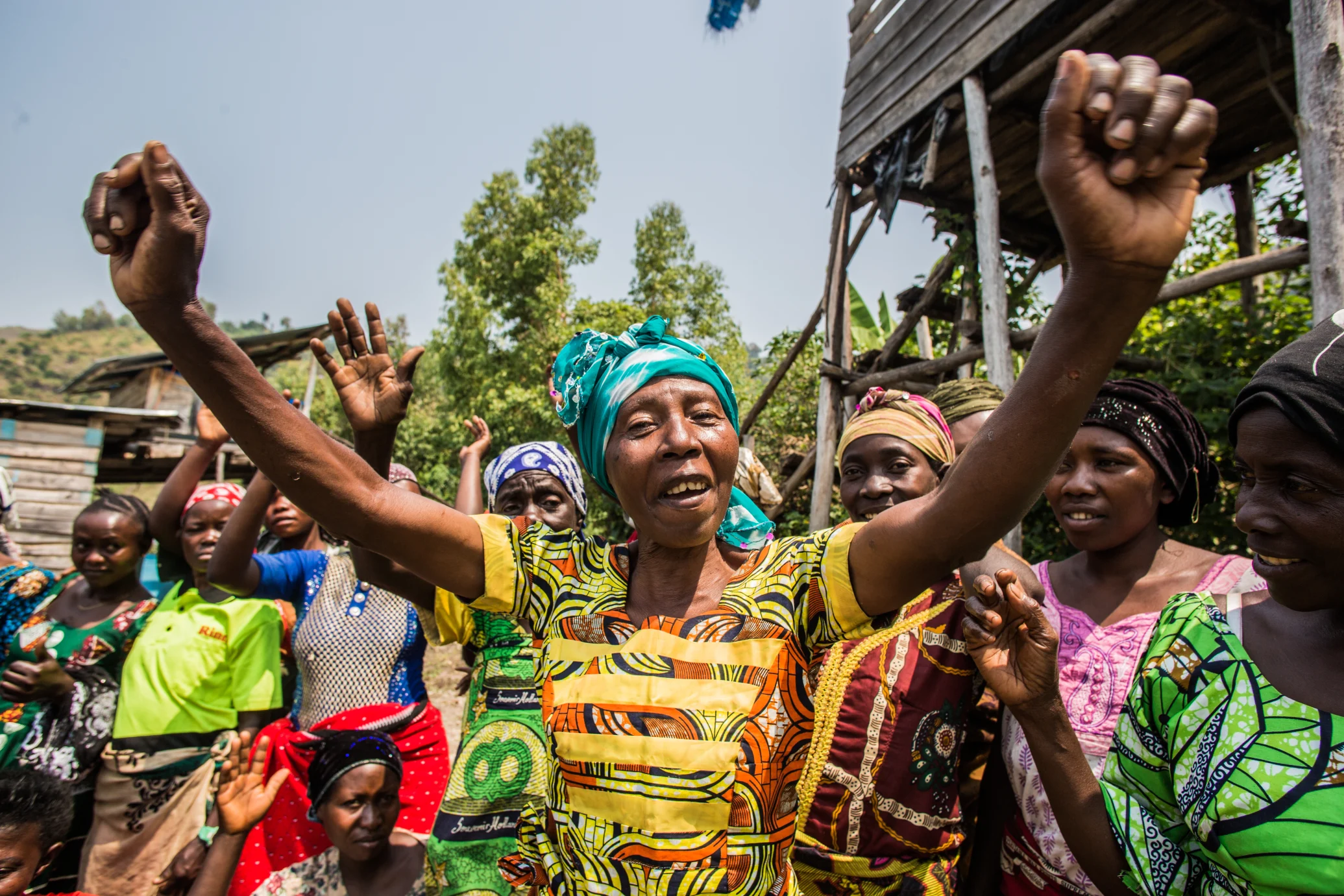
The first Women By Women exhibition featured the work of four women photographers: Sarah Waiswa (Uganda), Pamela Tulizo (Democratic Republic of Congo), Carmen Mandato (Guatemala) and Lesego Rampolokeng (South Africa). Through their photography, they captured the strength, resilience and leadership of women shaping their communities and challenging the barriers they face.
Page updated 9 July 2026