Acid attacks

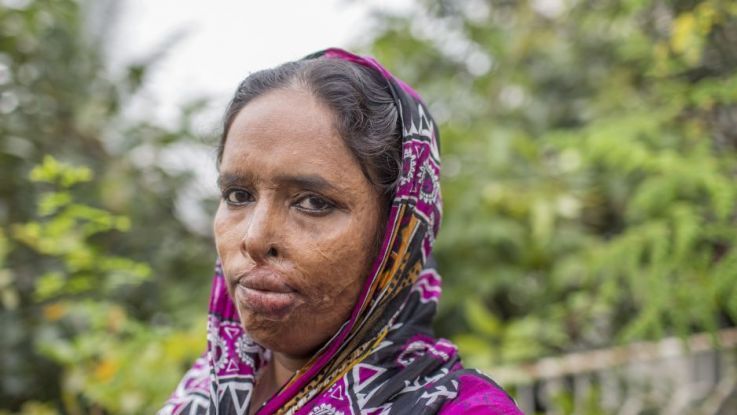
Khodaja was attacked with acid while sleeping when she was 15 years old as a result of a land dispute, in Bangladesh
Nicola Bailey/ActionAid
Acid attacks on women and girls in Bangladesh
Khodaja and her baby daughter Sonali were sleeping in their home in Bangladesh when they were attacked with acid as the result of a land dispute with a relative. Sonali was so young at the time that the acid permanently altered the shape of her skull.
Khodaja says: "It took a few days before I became properly conscious of my surroundings. Then I became so worried about the future and the challenges that could come up, because my daughter's face and mine were so distorted. My mother tried to tell me not to feel worried about this. She tried to give me hope that things would improve. Though I didn’t know what the future would hold, I knew it would never be the same”.
After the attack, the family were helped by an ActionAid partner organisation called SoDesh, who put them in touch with the Acid Survivors Foundation. The Foundation was set up to prevent acid and burn violence and to empower survivors of these attacks, especially women and children. They helped pay for the initial medical bills and gave the family counselling.
Why are women and girls targeted with acid attacks?
Women and girls are disproportionately affected by acid attacks. These attacks are often rooted in unequal power and gender discrimination, and are used as a way to punish, intimidate or control women who challenge social expectations or assert their autonomy.
Acid attacks can occur when women and girls reject unwanted advances, refuse forced or unwanted marriages, leave abusive relationships, pursue education or employment, or exercise choices about their own lives and bodies. Rather than isolated acts of violence, these attacks reflect broader systems that seek to limit women's freedom and reinforce gender inequality.
The physical injuries caused by acid attacks are often severe, but the harm does not end there. Survivors may face barriers to education, employment, healthcare and participation in public life. In many contexts, harmful attitudes towards appearance, disability and gender can lead to stigma, exclusion and discrimination, compounding the impact of the attack.
ActionAid works alongside women and girls affected by violence, supporting survivors and challenging the unequal power structures that allow gender-based violence to continue.
Acid attacks in the UK
Acid attacks are a serious form of violence in the UK, although they remain relatively uncommon. Police record these incidents as offences involving corrosive substances, where acid or another corrosive chemical is used to injure, disfigure or threaten another person.1
In response to concerns about the use of corrosive substances in violent crime, the UK Government introduced the Offensive Weapons Act 2019, which made it illegal to sell certain corrosive products to anyone under 18 and created new offences related to possessing corrosive substances in public without good reason.2
According to Acid Survivors Trust International (ASTI), there were 498 recorded attacks involving corrosive substances in the UK in 20243, highlighting that acid violence remains a serious issue despite efforts to restrict access to corrosive substances and strengthen legislation.
While anyone can be targeted, ActionAid recognises that acid attacks against women and girls are often linked to wider patterns of gender-based violence and coercive control. Survivors may face long-term physical injuries, psychological trauma and barriers to participating fully in education, work and community life.
Through our work with women and girls around the world, we support survivors of violence and campaign for a future where all women and girls can live free from fear and harm.
Tackling acid attacks and supporting survivors
Ending acid attacks means tackling the gender inequality, discrimination and harmful power structures that allow violence against women and girls to persist. Around the world, grassroots women's rights organisations are leading this work. By supporting survivors, holding perpetrators accountable and advocating for legal and social change, they are helping to build safer, more equal communities.
One of these leaders is Nurun Nahar, an acid attack survivor and Assistant Officer for Gender Equality and Women's Empowerment at ActionAid Bangladesh. When she was 15 years old, she was attacked with acid after rejecting the advances of an older boy.
Drawing on her own experience, Nurun has become a powerful advocate for the rights and dignity of survivors. She understands that recovery involves far more than healing physical injuries. Survivors often face stigma, exclusion and barriers to education, employment and public life, while the financial costs of medical treatment can place huge pressure on families.
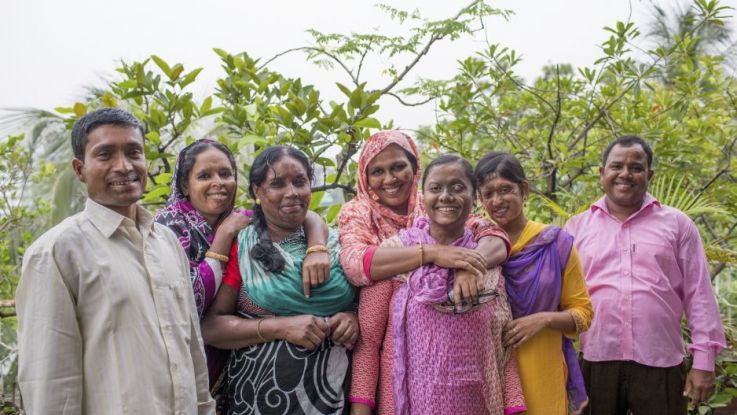
With support from ActionAid, Nurun founded the Acid Survivors' Network (ASN), a survivor-led organisation that creates space for people affected by acid violence to connect, support one another and campaign for change.
Reflecting on the importance of survivor leadership, Nurun says:
"I could see that many survivors felt hopeless and lacked confidence. I wanted them to know that their lives do not end with an acid attack. They have rights, they have potential and they deserve the same opportunities as anyone else."
Today, the Network works to amplify survivors' voices, challenge stigma and push for greater accountability and support. Its vision is not only to end acid violence, but also to create a future where survivors can participate fully in society and are recognised for who they are, rather than defined by what happened to them.

Acid attack survivors take to the catwalk
ActionAid Bangladesh organised a fashion runway starring 15 acid attack survivors called “Beauty Redefined” on International Women's Day in 2017.
The event aimed to challenge conventional perceptions of beauty and celebrate the survivors who are creating positive changes in their community.
"We are here today to show their inner strength, as they have come a long way," says Farah Kabir, country director of ActionAid Bangladesh. "I often take inspiration from them. Their courage is huge."
One of the models on the catwalk, Ganga Dasi, 40, had acid thrown on her face at the age of 17 after she refused a marriage proposal. "I lost all hope to live. No one came forward to help us," she said. "I am now more confident. I will not hide my face any more."
The runway show “Beauty Redefined” was organized by ActionAid Bangladesh in 2017.
ActionAid
Campaigning for change and supporting survivors
Ending acid violence requires more than restricting access to corrosive substances. It requires action to address the gender inequality, discrimination and harmful social norms that allow violence against women and girls to continue.
For more than 17 years, ActionAid Bangladesh has worked alongside survivors of acid attacks and their communities, supporting survivor-led advocacy and campaigning for stronger legal protections. This work contributed to the introduction of the Acid Control Act 2002 and the Acid Crime Prevention Act 2002, which strengthened regulation of acid sales and increased accountability for perpetrators.
While laws and regulations play an important role, focusing solely on the weapon used can overlook the deeper causes of violence. Acid is one of many tools used to exert power and control over women and girls. Similar acts of violence may be carried out using other weapons or forms of abuse, but they are often driven by the same underlying inequalities.
At ActionAid, we believe the focus must be on preventing violence before it happens and addressing the systems that enable it. This means challenging harmful gender norms, supporting survivors to access justice and rebuild their lives, and working towards a world where women and girls are valued for their rights, dignity and humanity, rather than judged by their appearance or conformity to social expectations.
By supporting women's rights organisations and survivor-led movements, we can help create lasting change, ensuring that survivors are heard, protected and able to shape the decisions that affect their lives.
Help for survivors of acid attacks in the UK
If you or someone you know has experienced an acid attack, support is available. Alongside emergency medical treatment, specialist organisations can provide practical, emotional and long-term support for survivors and their families.
Emergency services – 999
If an acid attack has just happened, call 999 immediately. The emergency services can provide urgent medical assistance and help ensure the incident is reported to the police.
NHS
Guidance on treating acid and chemical burns, including emergency first aid and information about ongoing medical care.
Changing Faces
Support, advice and advocacy for people living with visible differences, scars and disfigurements. The charity works to tackle stigma and help people build confidence and wellbeing.
Katie Piper Foundation
Provides specialist support for burn survivors and people living with scars, including rehabilitation, wellbeing services and peer support.
Acid Survivors Trust International (ASTI)
An international charity dedicated to ending acid violence and supporting survivors through advocacy, research and awareness-raising. ASTI also campaigns for stronger protections and restrictions on access to corrosive substances.
No one should face the consequences of acid violence alone. Accessing medical care, emotional support and specialist services as early as possible can help survivors on their journey to recovery.
Page updated 19 November 2026